
How to Keep Your Kitchen Knife Sharp for Years
This article contains affiliate links. If you buy through them we may earn a commission at no extra cost to you. Learn more.
A dull knife is slower, more frustrating and actually more dangerous than a sharp one, because it slips. The good news: keeping a knife sharp takes about one minute a week.
Honing vs. sharpening
| Honing | Sharpening | |
|---|---|---|
| What it does | Straightens the edge | Removes metal to make a new edge |
| Tool | Honing rod | Whetstone or sharpener |
| How often | Every week or two | A few times a year |
Step-by-step: honing in 60 seconds
- Hold the rod upright with the tip on a towel.
- Place the heel of the blade against the rod at about 15°.
- Draw the knife down and toward you so the whole edge touches the rod.
- Do 5–6 strokes per side, alternating sides.
The 4 habits that ruin knives
- The dishwasher: heat, detergent and rattling dull edges and crack wooden handles.
- Glass or stone boards: use wood or plastic instead.
- Scraping food with the edge: flip the knife and use the spine.
- Loose in a drawer: use a block, magnetic strip or sheath.
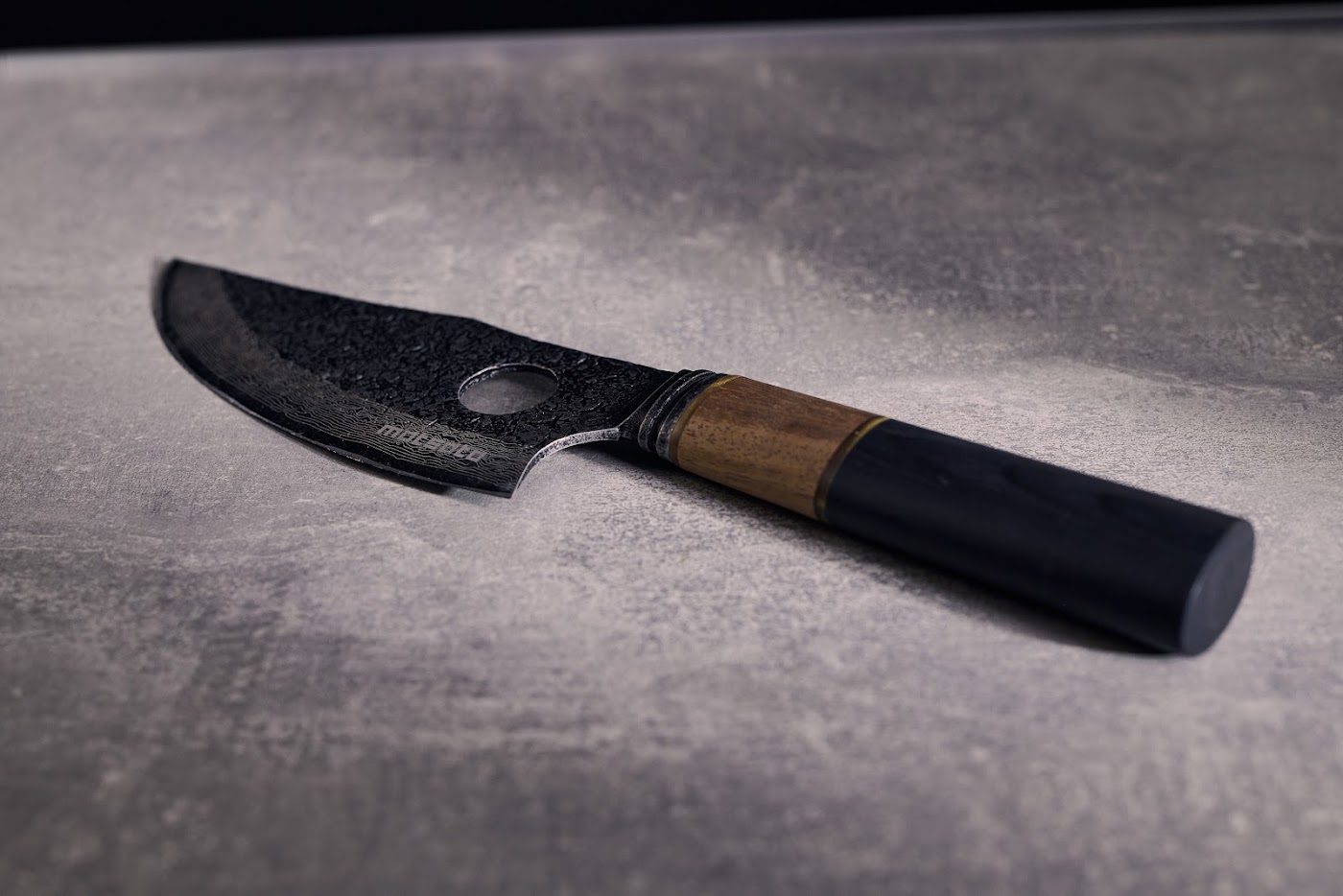
A knife built for easy upkeep
The Osuren’s ice-hardened stainless blade is designed to hold its edge and is easy to hone at home.
Check Today's Price → Read our full reviewCaring for a wooden handle
Hand-wash, dry right away, and rub a few drops of food-safe mineral oil into the handle every month or two. It keeps the wood from drying and cracking and brings out the grain.
Rule of thumb: if a ripe tomato skin resists your knife, it's time to hone. If honing doesn't help, it's time to sharpen.
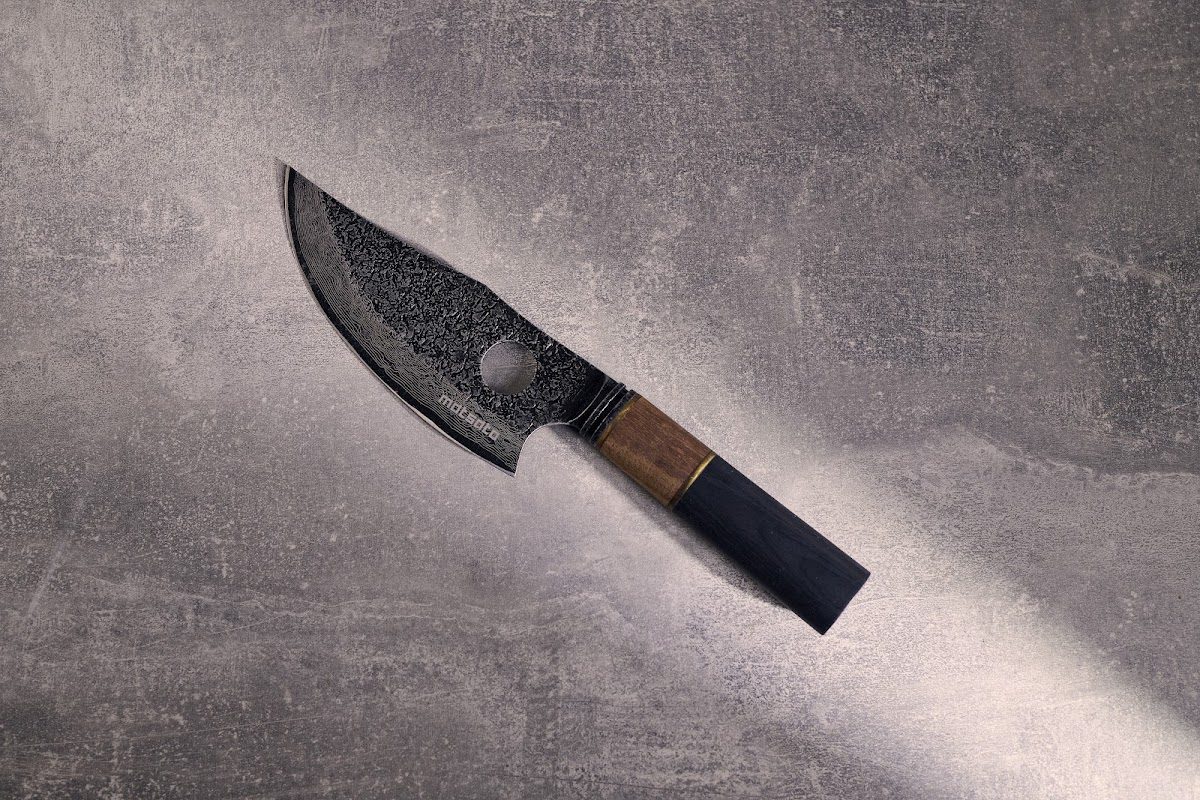
Looking for a new everyday knife?
Read our full, honest review of the finger-hole chef knife, with video, specs and real buyer feedback.
Check Today’s Price → Read our full review